Garden and Greenhouse

Spring Seed Starting

Update:  the LED rope light works!   See below.

It’s spring, no matter what the calendar says, but here in northeastern California, in the northern spur of the Sierra Nevada Mountains, spring is always chancy. A few years ago, my husband built a little greenhouse for me, so my spring seed starting is so much easier than it used to be when I had to start everything in the house and rig up lamps in the laundry room and move seed flats outside for sunlight and inside for cold protection. I have a much better system now that I want to share with those of you who are fortunate enough to have a greenhouse or who can rig something similar for seed starting on a sunny, enclosed porch, or even in a warm basement.

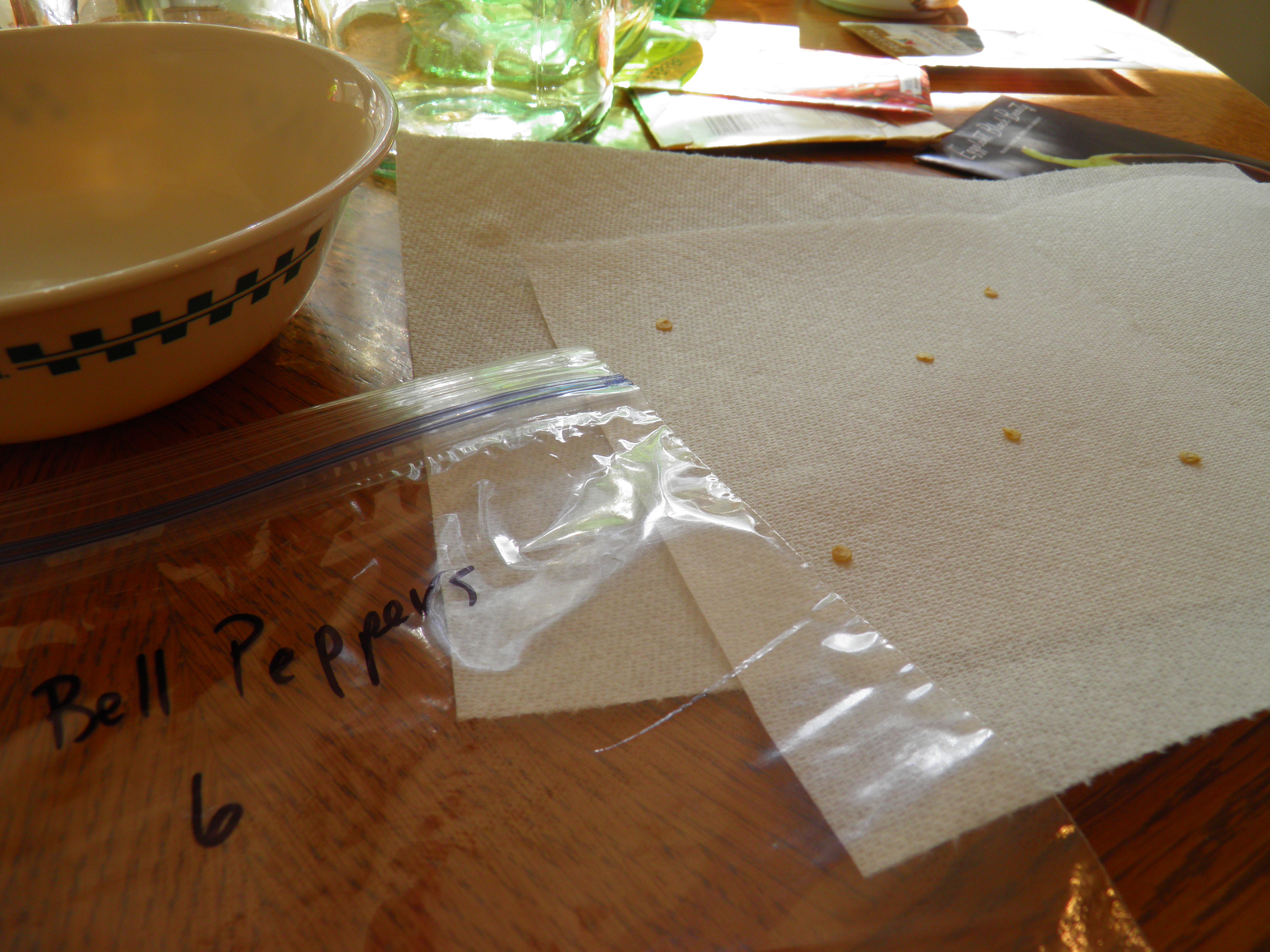
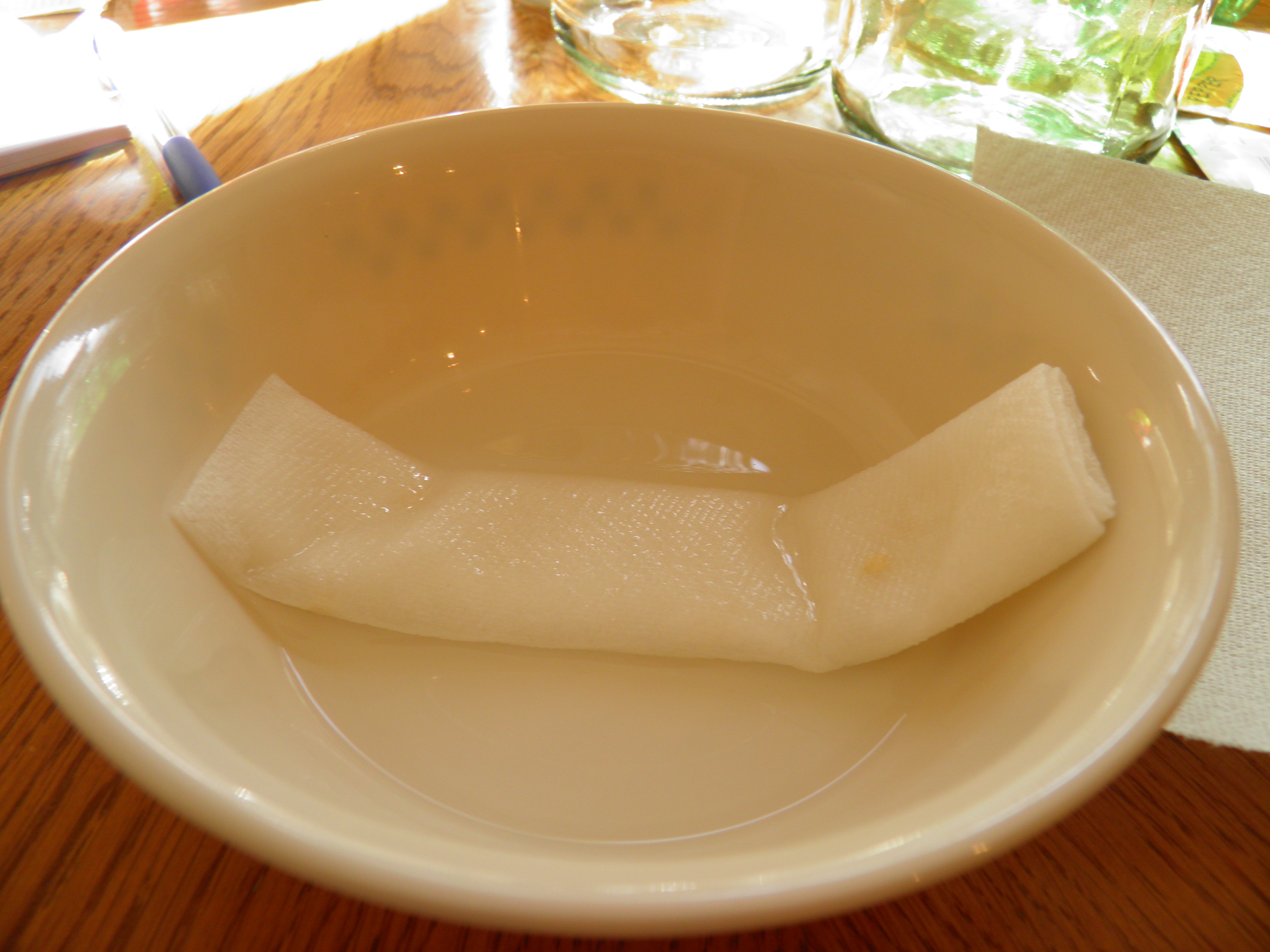
First, I germinate my slowest seeds in the house, near the heating stove. The temperature by the stove is about 75-80 degrees, which is perfect for the slow-to-germinate seeds like peppers and eggplant. I decide how many of each kind of plant I want to grow, and I place my seeds on damp paper towels, spaced out with several inches between each seed, one kind of seed to a towel, of course, and then fold the towel over and place it in a new, plastic zipper closure sandwich bag. I label the outside of the bag with a Sharpie, writing the type of seed/plant and the date I started them. All the sandwich bags go into a clean, larger zipper bag, and that is wrapped in an old towel and placed by the stove to warm.
OLYMPUS DIGITAL CAMERA  OLYMPUS DIGITAL CAMERA  OLYMPUS DIGITAL CAMERA  OLYMPUS DIGITAL CAMERA

One advantage to starting seeds this way is it cuts out the guesswork in how many seeds will germinate. You can see within a few days which seeds are viable and which aren’t going to sprout. You can start more without waiting and wondering what’s going under the soil, where you can’t see the seeds. You can tell if your seed is getting old, and if you need to buy fresh.

OLYMPUS DIGITAL CAMERA

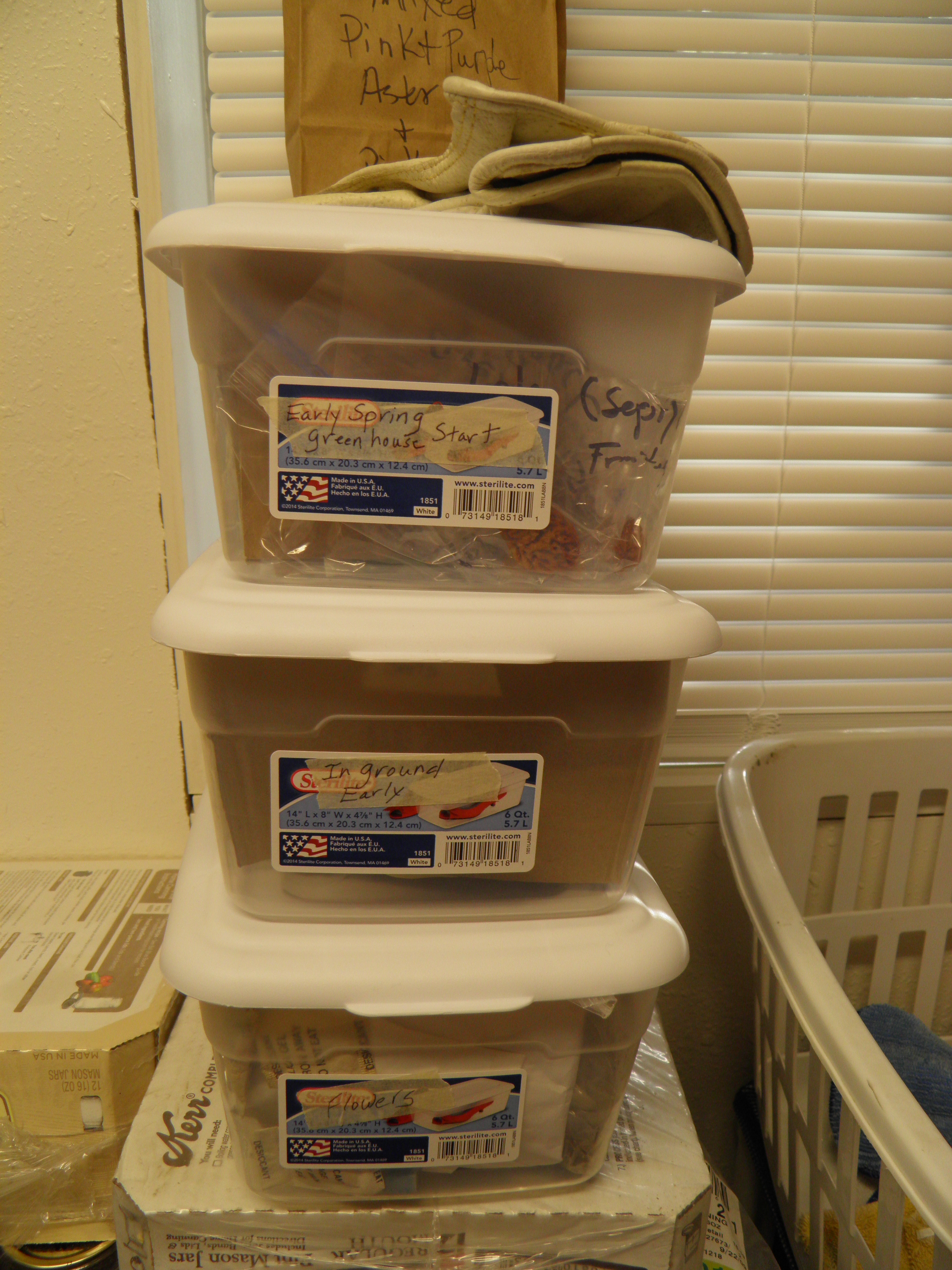
By the way, if you are throwing out seeds and buying fresh ones every year, I hate to tell you how much money you are wasting. Most seeds are viable for years, and there are things you can do to improve seed life. I keep my seeds in plastic containers (glass would be better but I don’t have enough large glass containers) with several silica or charcoal packets (saved from medication bottles and from shoe boxes) in each container to absorb moisture. These containers are kept in my cool, unheated laundry room. I have had seeds (pumpkins and herbs) last 20 years or more in these conditions.
OLYMPUS DIGITAL CAMERA

Of the peppers, jalapenos typically sprout first. As soon as the first little white root emerges, usually in only a few days, I take the seeds out to the greenhouse.
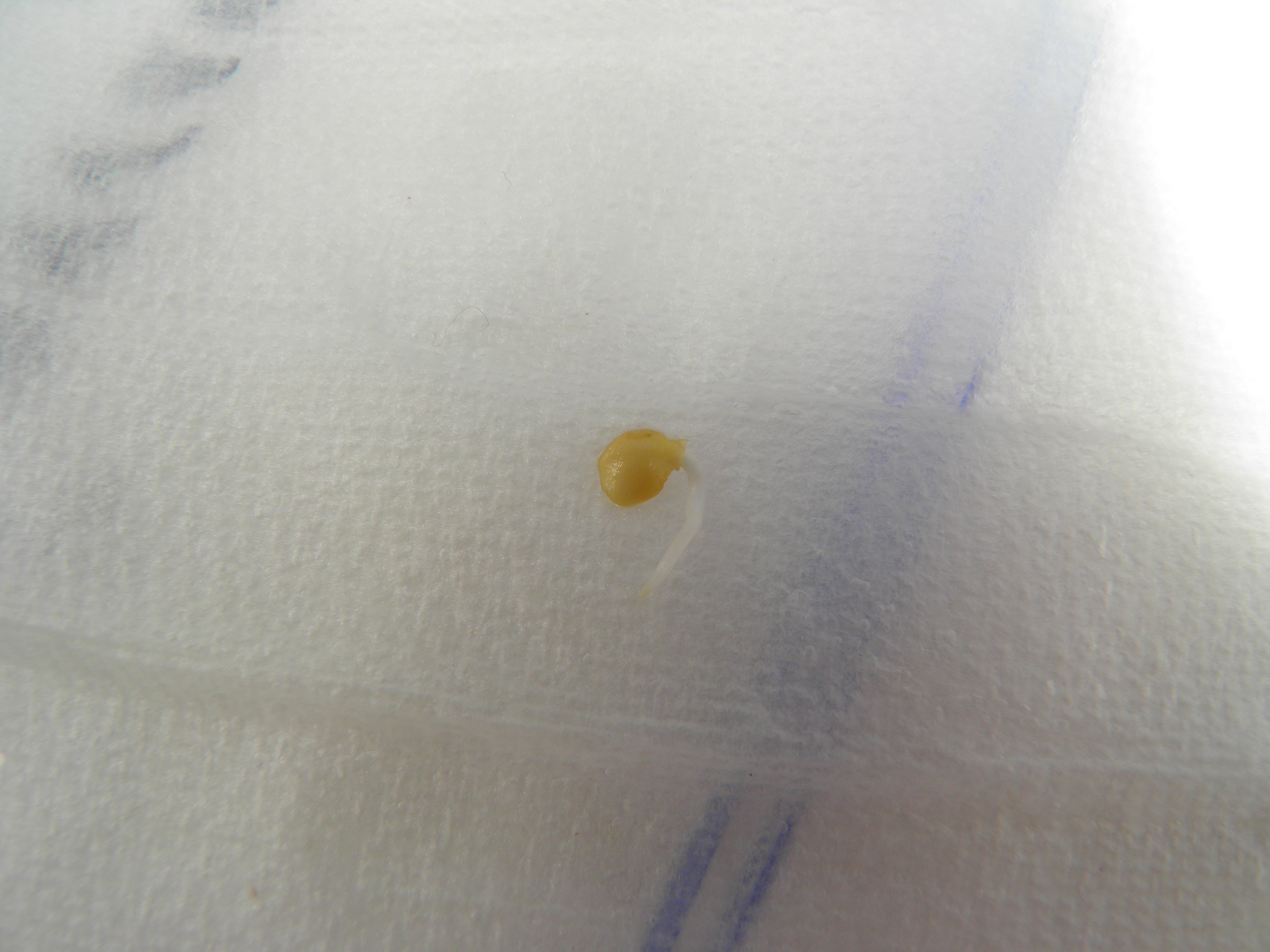
OLYMPUS DIGITAL CAMERA

(Check on your bags of seeds every day—if the little roots grow too long, they grow into the paper towels, and then you have to carefully tear the paper towel around the seed and root and plant a bit of it with the seed to avoid damaging the root.)

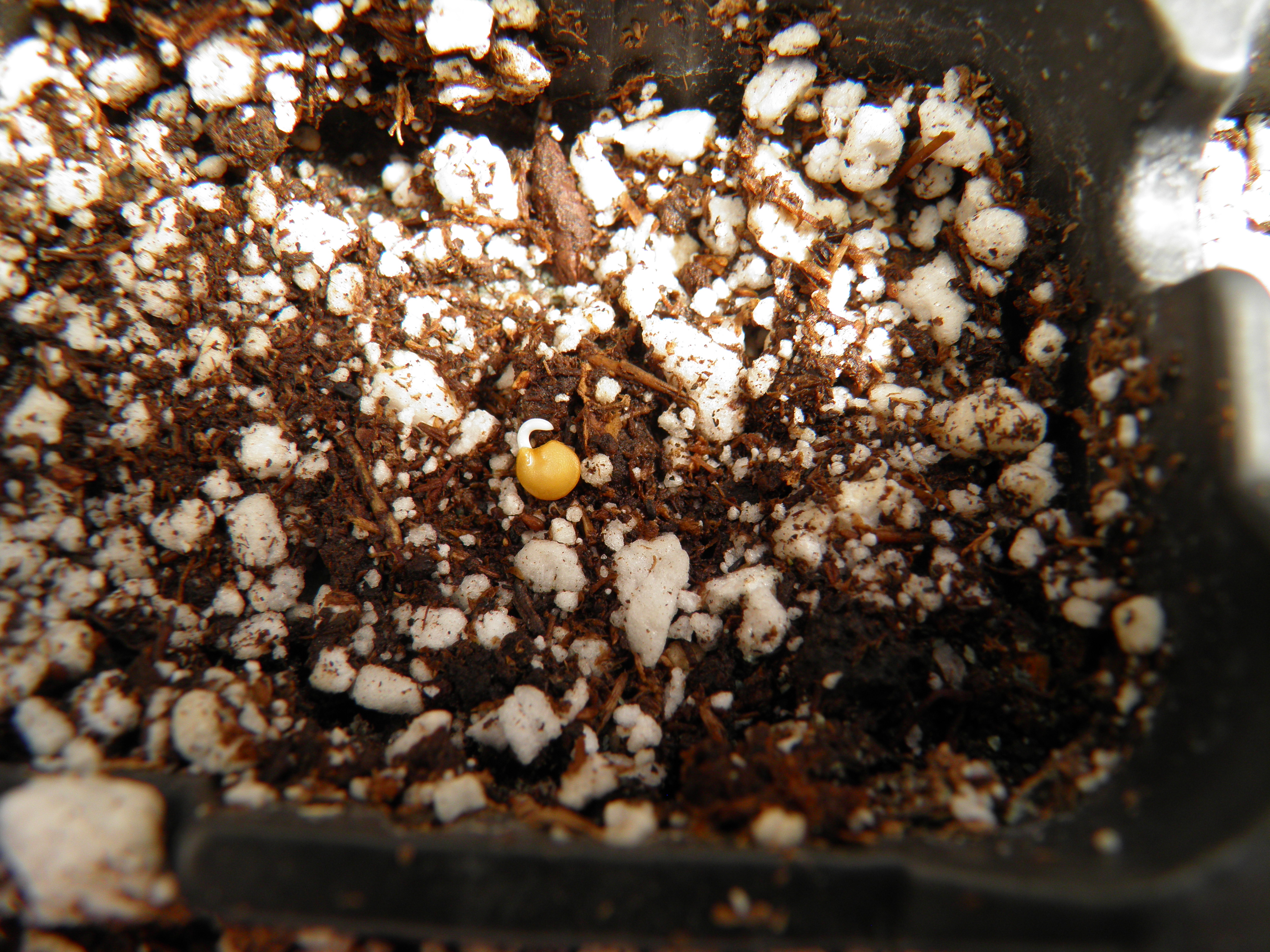
OLYMPUS DIGITAL CAMERA OLYMPUS DIGITAL CAMERA

I’ve already gotten my heated sand box warming up the containers of moist soil that the seeds will go into. I carefully remove each seed from the paper towel and place them in the soil, covering them with as much moistened, warmed soil as the seed packet recommends. I also sprinkle the top of each container with ground cinnamon as soon as the seeds are planted. Cinnamon is anti-fungal, and helps prevent damping-off. It also helps me mark the cells I’ve planted in the six-packs, in case not all the seeds in a plastic bag sprout at the same time, which sometimes happens, especially if the seed is getting old. If I have to plant only one or two cells in a container one day, and two more cells the next, I can tell which cells have already been planted because they have been sprinkled with cinnamon.

OLYMPUS DIGITAL CAMERA

I’ve never had an issue with damping-off since I started using cinnamon some years ago, and it sure makes the greenhouse smell good! Each container is labeled with seed type and date and placed back into the heat box to continue growing. This method of germination takes several days, sometimes even a week, off the time it takes to germinate seeds in the soil, and in my area, I need all the growing time I can get. We have a very short growing season here, so even a few days can make a difference as to how much produce I can harvest.

My heat box consists of a large plastic tub filled half-full of builder’s sand that you can buy in a bag at a hardware or lumber supply store. On top of the sand is a rope light. My husband drilled a hole through the tub so that the end of the rope light fits through the tub and can be plugged into an extension cord that runs electricity to the greenhouse from the outside outlet on the side of the house.
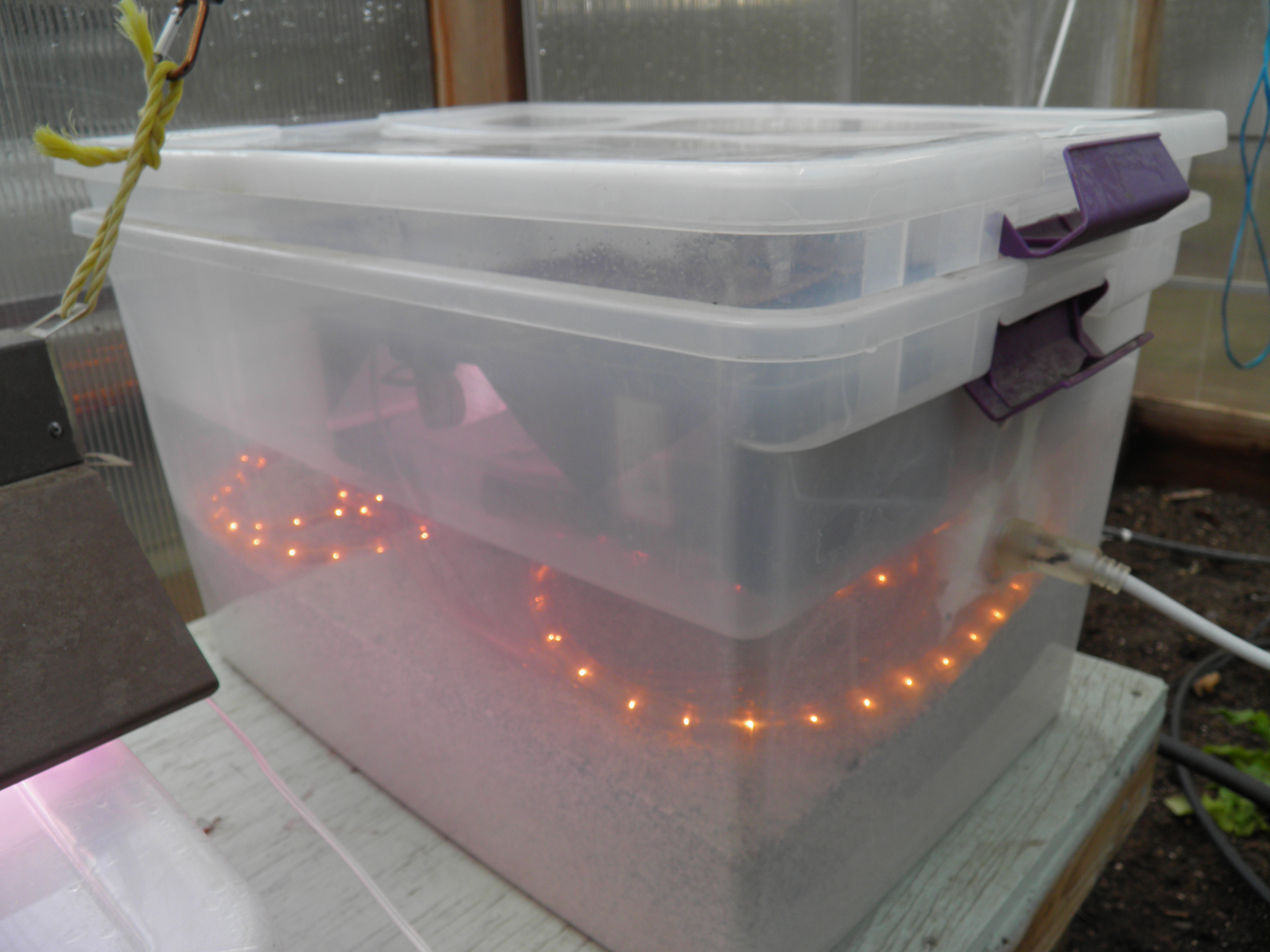
OLYMPUS DIGITAL CAMERA

We plan to wire the greenhouse one day, but that hasn’t happened yet, and in the meantime, this works okay. The rope light heats the sand, which retains heat, and radiates heat to the shallower plastic tub placed above the heat box. This tub contains the seeds that have been planted into the soil-filled containers, and is covered with a lid to retain the heat. Seeds like peppers, eggplant, and tomatoes prefer bottom heat until their seeds leaves emerge from the soil. At that point, it’s time to put them under a grow light.

This system has worked beautifully for several years, but unfortunately, this year I noticed that my rope light had become somewhat brittle and discolored with heat and light, and several lights had burned out in various sections, so that the whole rope wasn’t producing as much heat as it has in previous years.
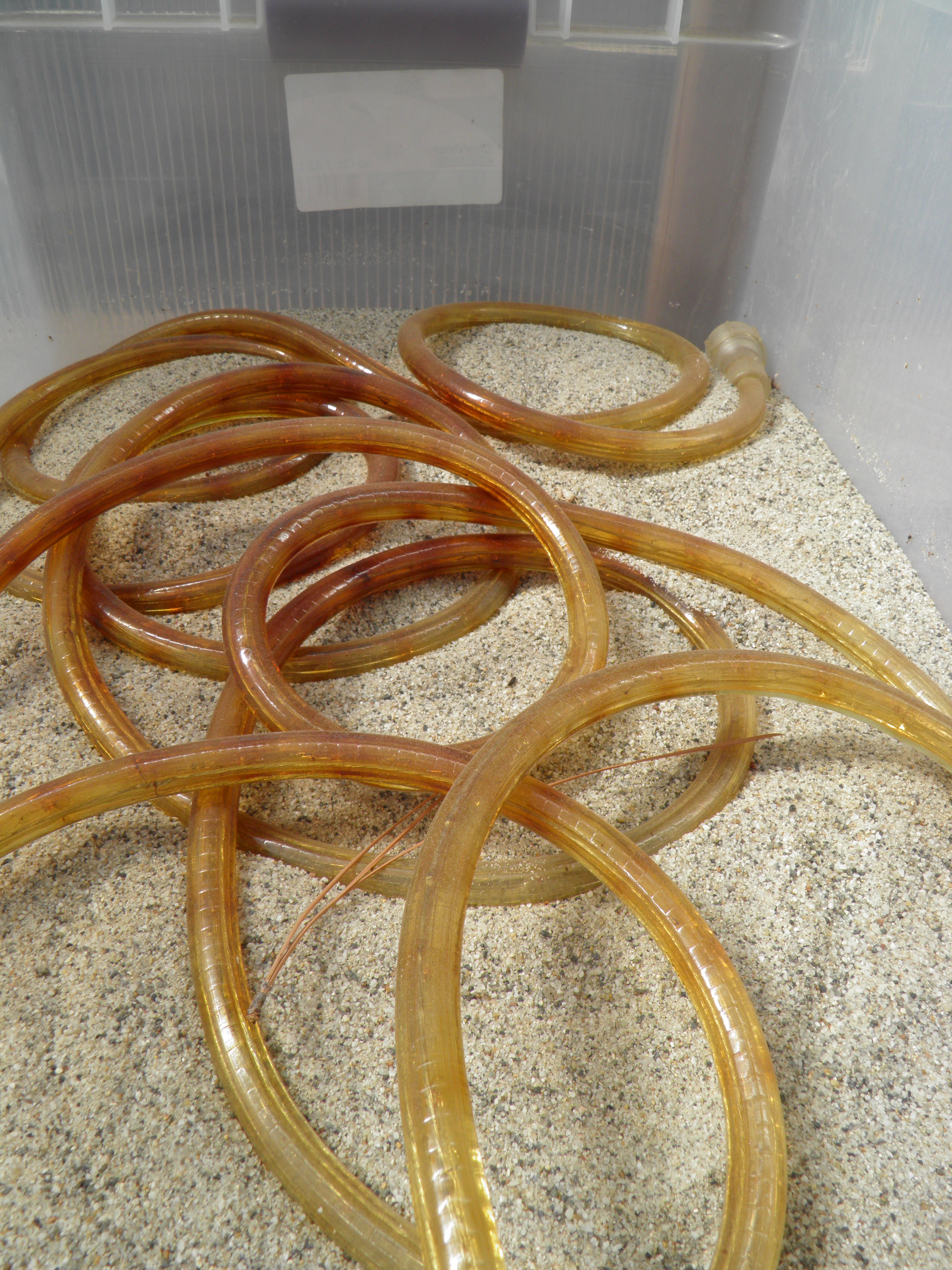
OLYMPUS DIGITAL CAMERA

I bought a new rope light, but I had reservations about this one. This rope light contained LED lights, which don’t produce nearly as much heat as the old bulbs, and I wasn’t sure the 18 foot rope would heat my sand box up to the temperature preferred by peppers and other heat-loving seeds. Sure enough, it didn’t. Now, I’m scrambling to find an alternative source of heat for the sand box, and hoping that my peppers and eggplant didn’t get too chilled when I made the substitution last night. I’m thinking I may have to find an old, short string of Christmas lights to provide heat for the sandbox, at least for this spring, until I can figure something else out.  Just when you have a good system down, it seems like new technology puts a kink in the works.  That tells me I’m getting old!

(UPDATE:  I just checked the heat box in the greenhouse, and the LED rope light has warmed up the sand and the sprouting box above beautifully!  I guess it just took a day or so to heat up.  What a relief!)

For growing on after the seeds have put up seed leaves, I have another plastic tub with a clear lid where the plants which have emerged sit under a grow light. On warm, sunny days, when the greenhouse heats up, I turn off the light, raise it out of the way (it’s tied off to small pulleys usually used for raising and lowering hanging plants for watering), and take off the lid. On cool, cloudy days, I leave the light on and the lid closed, although sometimes I crack it a bit to allow excess moisture to evaporate. The light stays on all night and the lid stays closed to keep the plants from freezing, as our temps typically stay in the low 30s at night through April, and we can get hard freezes into the first week of June.

OLYMPUS DIGITAL CAMERA

This year, I started flower seeds early, and I put them under the light, since they don’t require bottom heat like the peppers and eggplants do. I have several species already sprouted, including marigolds, zinnias, and schizanthus, which will be moved to the lid on top of the heat box when the peppers and eggplant and tomatoes require the space in the light box. By that time, the greenhouse should be staying above freezing at night, and if not, I’ll use a heater.

OLYMPUS DIGITAL CAMERA

As the weather warms, and the greenhouse heats up, the soil in the planting beds and the gravel floor act as solar collectors. As the plants outgrow the light box, I prick them off and transplant them to larger containers. I put those containers into flats and move them to the planting beds (which are partially planted in spinach and lettuce) where the soil helps keep them warm though cold nights.  Here’s a pic from a couple of years ago.  This spring’s spinach has just sprouted.  (I didn’t get it planted last fall because of my shoulder injury.)

OLYMPUS DIGITAL CAMERA

If a really cold night threatens, I have a radiant, oil-filled heater that I put in the greenhouse and turn down to its lowest setting, about 55 degrees, just enough to keep the plants from freezing. By this time, they are beginning to harden off, and I’ll finish that process outside on sunny days before I plant out.

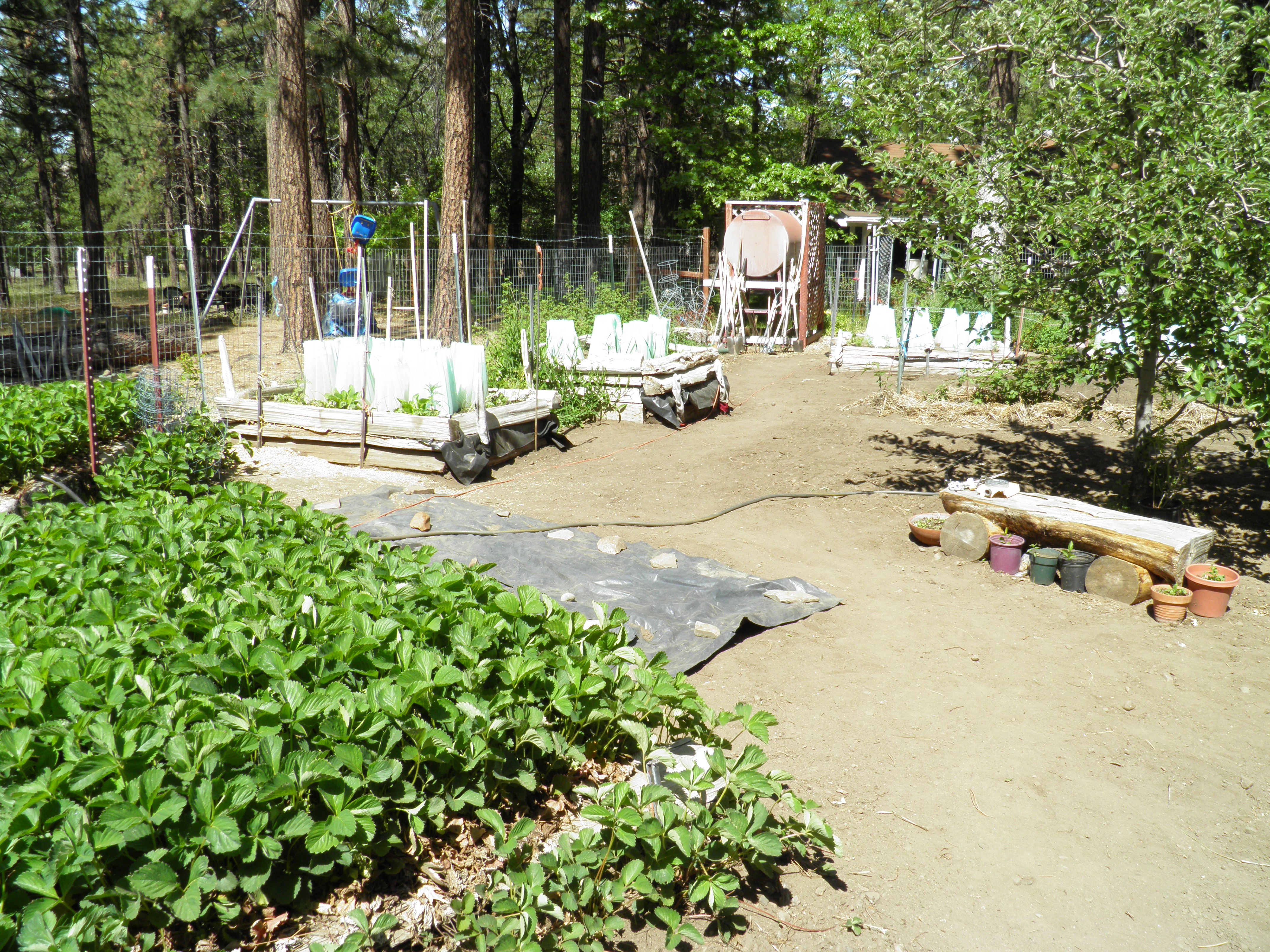
I’ve learned that I can extend my growing season by planting out my tender plants like peppers, tomatoes, squashes and melons, in late April or May under water-filled covers (Walls of Water is one brand name).
OLYMPUS DIGITAL CAMERA

These act like mini-greenhouses, heating the soil and air around the plant and keeping the temps under the covers about 10 degrees warmer than the surrounding air, so even if the nighttime temperature dips down to 23 degrees, the plants won’t freeze under the covers. The covers can be tee-peed at the top on cold nights and opened up on warm days to allow air to circulate around the plant. I have to be careful about when I plant out, because if I do it too early, the plants will outgrow the protection of the covers, and what’s outside the cover can be killed back by a hard frost. I’ve lost tomato tops this way in the past when I’ve planted out in early April; although the covers keep the base of the plant from freezing, and the tops will grow back, it retards the plant’s blooming and fruiting stage. Also, most plants don’t like to be closed up inside the covers for too long. They can become diseased from too much moisture and warmth.

I’ve kept a garden log for several years, recording the dates I germinate seeds, plant them in containers in the greenhouse, harden them off or plant them outside under water-filled covers, so I know generally when I want to start and plant out various species. But there’s always a certain amount of guesswork, the necessity of updating equipment, and the occasional scramble to protect plants when a hard freeze threatens unexpectedly. That’s just part of gardening in challenging mountain conditions.  It keeps me on my toes.
Standard
condiment, Dairy, Fermenting, Recipes, Side dishes

Homemade Buttermilk Ranch-Style Salad Dressing

My husband is addicted to ranch salad dressing. I like it too, but I don’t like all the extra junk they put in the stuff sold in stores: soybean oil, for instance. I stay away from soybeans because they are treated with glyphosate herbicides. So I’ve been working on a buttermilk ranch-style salad dressing that is made with the freshest, healthiest possible ingredients. These include homemade buttermilk, cultured at home and full of good probiotic organisims (make it from organic milk for best health), homemade mayonnaise (also made with healthier, higher grade oils than the commercially-produced mayos), and home-grown and dried herbs. Now, you can make this dressing with store-bought buttermilk, store-bought mayo, and store-bought herbs, and it’s still going to taste better and be better for you than any ranch dressing you buy in a store. I hope you’ll give this a try.

Homemade Buttermilk Ranch-Style Salad Dressing

3/4 cup homemade mayo *

¾ cup homemade buttermilk **

1 tablespoon homemade apple scrap vinegar ***

1 tablespoon dried tomato skin powder ****(optional—I’m always looking for new ways to use this)

¼ teaspoon hot smoked paprika (regular paprika may be used)

1 tablespoon dried parsley flakes

1-2 tablespoons dehydrated onion bits (ground in clean coffee grinder or spice grinder) or onion powder

1 teaspoon dried tarragon

½ teaspoon dried hyssop (I like this herb, it adds a sharper greenness than parsley, but it isn’t common, and can be omitted)

Pinch (or more) of dried thyme

¼-1/2 teaspoon sea salt (I used pink Himalayan salt)

¼-1/2 teaspoon ground black pepper (I like freshly ground)

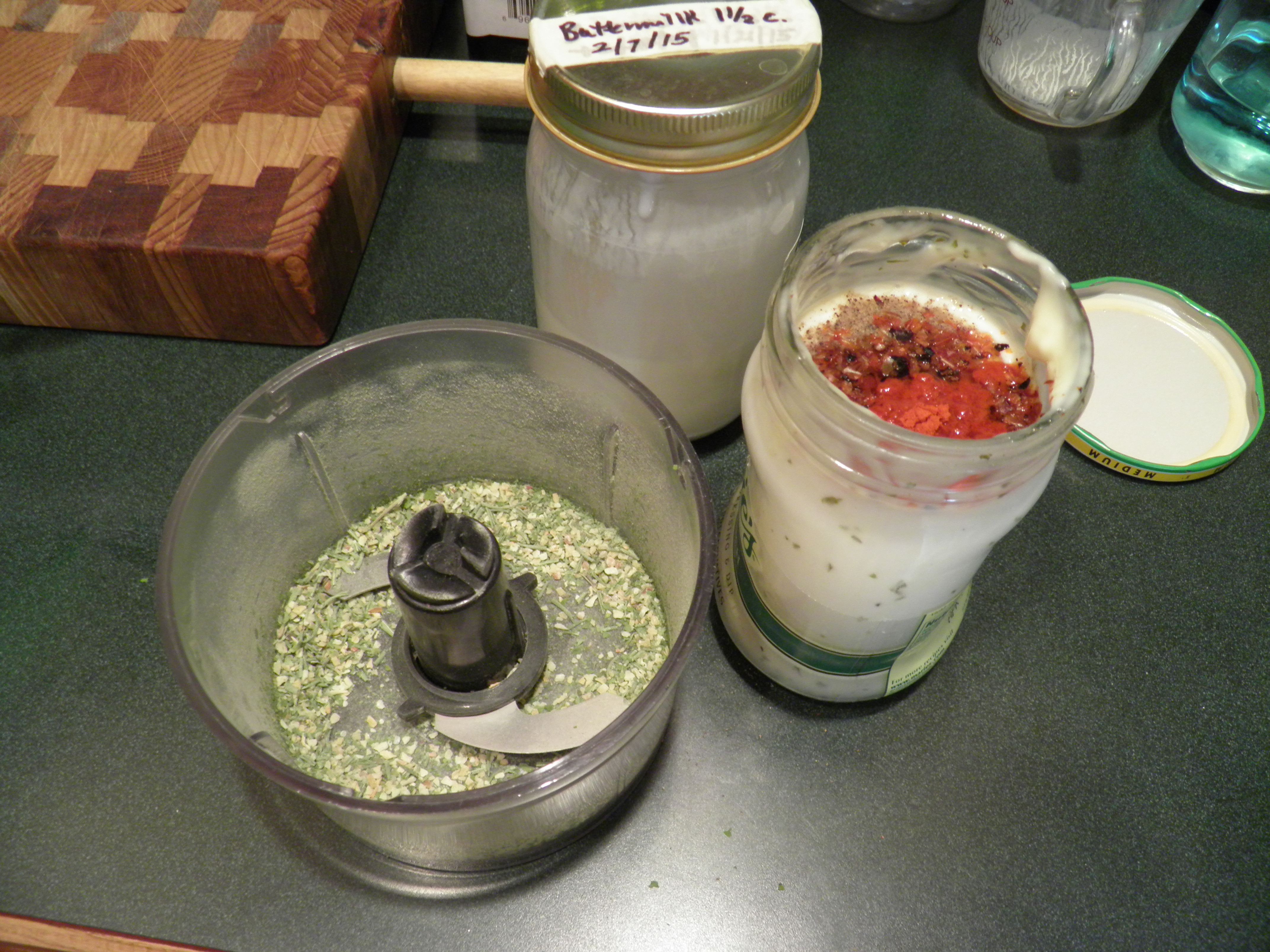
Start with the lesser amount of seasonings. Mix well in jar with tight lid. (You can see I used an old ranch salad dressing jar to make it easier for my husband to find it in the fridge. He’s a bit challenged when it comes to seeing what he’s looking for!)

OLYMPUS DIGITAL CAMERA

Taste and adjust seasonings as desired. You may substitute other herbs, or use fresh herbs, but fresh herbs will lessen the storage life of your dressing. I use dried in the winter when we eat fewer salads, and fresh in the spring and summer when my herbs have greened up and my own lettuces are producing, and we go through the dressing in a week or two.  Fresh chives are delicious in this dressing when you have them.

OLYMPUS DIGITAL CAMERA

Store in fridge. Keeps about 2 weeks in fridge, or longer, depending on the freshness of your buttermilk and mayonnaise. I’ve had it last over a month. It might separate, but you just shake it back together. Discard if the dressing becomes moldy.  That’s when you know the dressing has exceeded its shelf life!

Notes: *If you have not yet tried the easiest homemade mayo ever, please click here for the recipe. It is so good, and it also contains some probiotics if you use active culture yogurt and raw vinegar in it. If you use store-bought mayo, the dressing will still taste great.

**Making your own buttermilk is so easy. I love making it at home because I can make it the amounts I am likely to use. I used to buy it a quart at a time, and half of it would always go bad before I used it up. I hate wasting anything and discovered that I could freeze leftover buttermilk to use as a chicken marinade or in baking, but if it’s been frozen very long, the active cultures in it die, and then it can’t be used to make sour cream or more buttermilk, although I believe it’s still good for baking. (When you use buttermilk in baking, you need to add baking soda, which reacts with the acids in the buttermilk to make light, fluffy, baked goods).

So now I make my own buttermilk, about a cup at a time, which is perfect for making a batch of gluten-free buttermilk pancakes (recipe coming soon—so good!) or a jar of buttermilk ranch salad dressing, or cakes, biscuits, and other baked goods. To see how to make your own cultured, probiotic buttermilk as you need it, please click here.

***Those of you who follow this blog know that I make my own apple scrap vinegar. It is probiotic and tasty. If you’d like to try it yourself, click here.  You can make it on a small scale, in a half-gallon jar, which is how I started out. Now I have enough organic apple scraps from my apples to make it in 5 gallon buckets! But you can buy Bragg’s vinegar raw, or you can use any apple cider vinegar in this recipe.

****Also if you follow this blog, you’ve seen me write about saving my tomato skins when I make charred salsa, tomato-apple chutney, and Italian Red Sauce. I’ve found various ways to use them; please click on the links if you’re interested in new ways to use your dried tomato skins: pulled pork rub, braised and barbecued pork ribs. The tomato skins can be omitted from the ranch dressing recipe if you choose, but I like it.

I hope you enjoy this ranch dressing recipe enough to ditch the store-bought dressings with all the added ingredients that nobody needs to be ingesting. The bonus with this recipe is that you get some probiotics to boot! You really can’t beat that deal.

OLYMPUS DIGITAL CAMERA

Standard
Beverages, condiment, Dairy, Desserts, Recipes, Side dishes

Making Buttermilk

Now, some of you might be asking, why would you want to do that? Well, buttermilk is probiotic. It’s a culture/ferment that uses lactobacilli to alter the chemistry of milk. I must confess, I do not drink the stuff, although my father loved it. One of his favorite snacks was a big glass of buttermilk poured over a bowl of cold, crumbled cornbread, with a couple of fresh green onions from the garden on the side. I never developed a taste for that dish, but I have learned that buttermilk in baked goods lends a lightness only rivaled by sourdough. And it is excellent in salad dressings, and as a marinade for chicken, so I’ve been told, though I’ve never done it. I’ve come to love the stuff, and I keep a small jar of it in my fridge at all times. I enjoy knowing I have something freshly probiotic to mix into a salad dressing, for instance. I’ll be sharing a couple of my favorite buttermilk recipes with you in future posts.

Making your own buttermilk is ridiculously easy. All you have to do is mix 1/3rd cup of cultured buttermilk from the store with 1 cup of fresh milk. Shake it up in jar with a good lid, let it sit at room temperature for 24 hours, and you’ll have buttermilk. On the left is the old jar, with what’s left of the buttermilk I made a couple of days ago, and on the right is the fresh batch that will be ready in 24 hours.

OLYMPUS DIGITAL CAMERA    OLYMPUS DIGITAL CAMERA

You’ll know it’s ready when you tilt the jar and the buttermilk pulls away from the side of the jar. It will be thick and viscous.

OLYMPUS DIGITAL CAMERA

At this point, it will keep in the fridge for up to a month.

I’ve learned through experimentation that the more often you culture buttermilk, the tangier and thicker your buttermilk will become. Also, you can make buttermilk from milk of any fat content, but the more fat, the thicker the buttermilk tends to be. Buttermilk mixed into half and half or heavy cream will produce sour cream that is similar to crème fraiche. For that recipe, click here.  You can use this cultured cream just as you would any sour cream or crème fraiche, in dips, in baking, as a topping for baked potatoes or cheesecake!

Always save 1/3 cup of cultured buttermilk to mix with 1 cup of fresh milk for a new batch. Of course, you can double or triple these amounts, keeping the same proportions, if you wish to make a larger volume of buttermilk.

Check back with me in a few days for a recipe using fresh, homemade buttermilk.

Standard
Desserts, Recipes

Blackberry and Wine Poached Pears

Update:  December 19, 2015

I made Blackberry and Wine Poached Pears for dessert tonight–the first time this winter. I just love this dessert.  Tonight, I gave it a little twist.  To the spice mix, I added a half-teaspoon of mixed peppercorns that I crushed slightly in my marble mortar.  They added an interesting little zing to the pears and the syrup.  Yum!  I hope you’ll try this dessert this winter, if you missed it last year.

This is one of my favorite fall and winter desserts, and it’s so easy to make.  I am not an elegant plater, but if you have the right dishes and plate this dessert properly, it’s pretty as well as delicious.  Be sure to give this one a try before pears disappear from your grocery store.

Blackberry and Wine Poached Pears

Serves 4

2 cups red wine (pinot noir or merlot are best)

½ cup blackberry jam or blackberry jelly

1/2 teaspoon freshly grated nutmeg

1-2 cinnamon sticks

10 whole allspice berries

3 whole cloves

4 ripe but firm pears suitable for cooking, with stems if possible (Anjou or Bosc are best, but Barletts can be used as well)

Vanilla ice cream

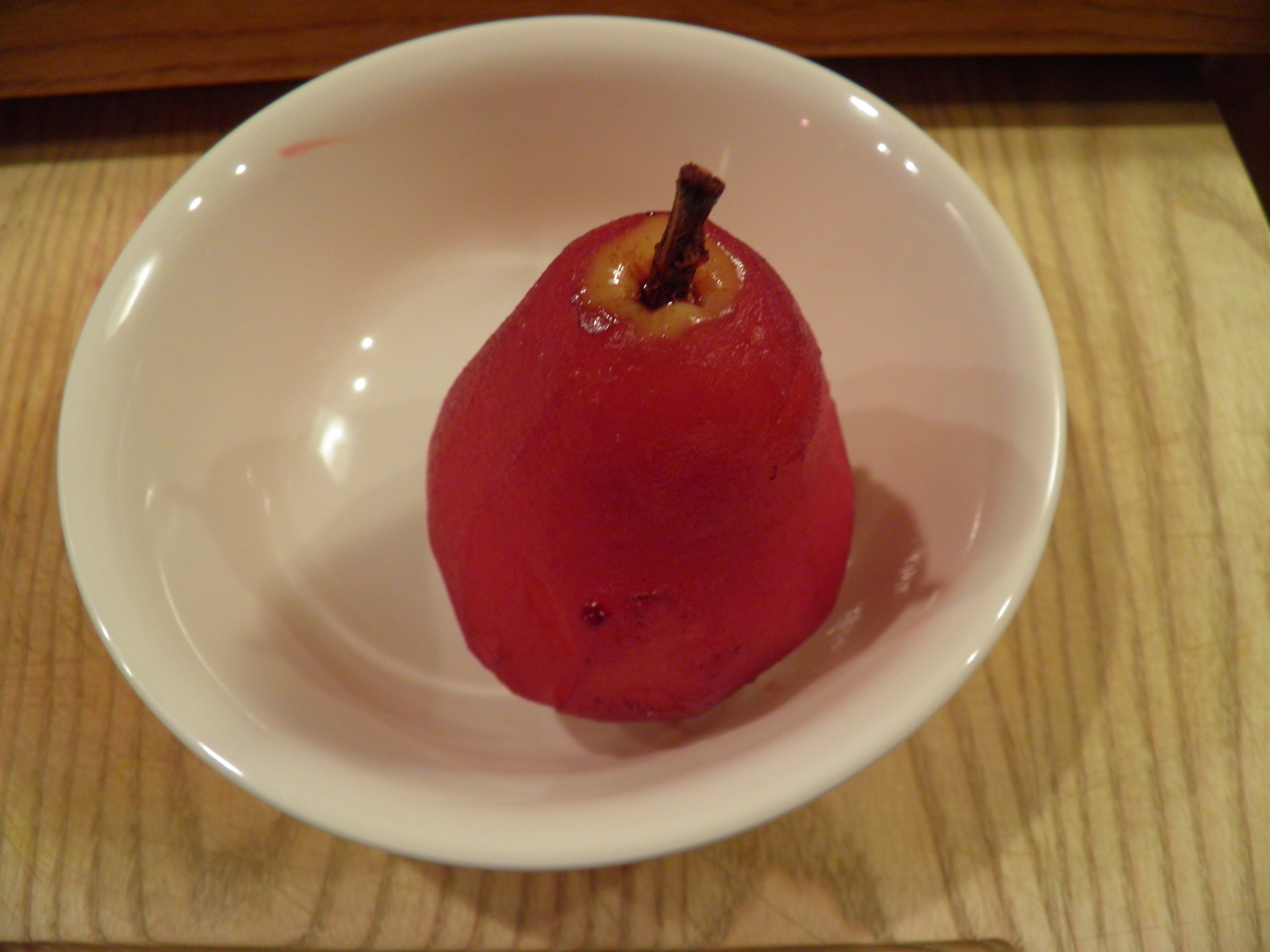
Combine wine, jam, and spices (ground spices can also be used:  1 tsp ground cinnamon, 1/2 teaspoon ground allspice, 1/2 teaspoon ground nutmeg, and a pinch of ground cloves) in a pot or pan  large enough to hold the liquids and the pears; bring to a boil, reduce to simmer. Peel pears, leaving stems on fruit. Carefully lower pears into poaching liquid and simmer, covered, until cooked through (15-30 minutes depending on the ripeness and type of pears you use).

OLYMPUS DIGITAL CAMERA

Rotate fruit as needed to ensure even color and flavor.  Check doneness with a fork near the base of the fruit, where it is thickest. The fork should slide in easily all the way to the core. Do not overcook the pears, or they will simply fall apart.

OLYMPUS DIGITAL CAMERA

Remove pears from poaching liquid and set aside in warm oven to stay warm while sauce reduces.

OLYMPUS DIGITAL CAMERA

Turn poaching liquid on high and boil rapidly until it begins to thicken, then turn down and continue reducing at a medium low temperature until syrup is as thick as pancake syrup. Strain syrup off into glass measuring cup or pitcher to cool slightly.

OLYMPUS DIGITAL CAMERA

Plate each pear with a scoop of vanilla ice cream and a drizzle of slightly cooled spiced blackberry-wine syrup.

OLYMPUS DIGITAL CAMERA

If you have any syrup left over, save it for pouring over ice cream alone or for topping pancakes and fruit for a luxurious winter breakfast or brunch.

OLYMPUS DIGITAL CAMERA

Standard
condiment, Gluten-free, Recipes

Stick Blender Healthy Mayonnaise

How many of you have given up mayonnaise because of health reasons? How many of you have tried making mayonnaise with a more nutritious oil, only to end up with a gloopy mess in your blender or bowl that didn’t amalgamate? There is a better way.

Do you have a stick blender (a.k.a. immersion blender)? An egg? Some good oil? Some fresh lemon juice or apple cider vinegar? If so, you have the makings of the easiest,  healthiest, and best mayonnaise you’ll ever taste.

Recently, I read an article about twenty-one foods that were supposed to not only prevent arterial plaque build-up but to actually clear out plaque deposits. One of those foods was avocado. Now it happens that I had just found quite a bargain on avocado oil, normally rather expensive, at our local Grocery Outlet. And it also happens that I was out of mayonnaise and couldn’t find a brand I wished to buy. I’ve gotten rather picky about my mayo in the last few years, and I don’t buy bargain brands of mayonnaise any more. They just don’t taste right.

So, avocado oil, no mayo, and an ah-ha moment. I’d read about stick blender mayo about a year ago, had meant to try it, and had just never gotten around to it. Besides, there’s not much point in making mayonnaise when you have a great big jar of Best Foods from Costco sitting in your fridge. But now, convergence.

There are so many different stick blender mayo recipes on the internet, it was hard to choose one. Then a particular recipe was recommended to me, so that’s where I started. Here is the link to the recipe I began with, although I altered it a bit, and ended up with the most delicious mayo I’ve ever tasted. Dennis didn’t really want to taste it because he’s not that fond of mayonnaise and usually only puts spicy brown mustard on his sandwiches, but when I insisted, he said, “Mmmm. Wow, that’s good. Way better than store bought. I’m going to start putting that on my sandwiches from now on.”

I rest my case.

Stick Blender Mayonnaise

1 large egg*

1 tablespoon apple cider vinegar (I used my homemade apple scrap vinegar)

1/8 teaspoon fine sea salt

1 tablespoon Dijon mustard

1 tablespoon plain active culture yogurt** (I used my homemade yogurt)

1 cup light tasting oil *** (I used avocado oil.)

Now, this is where the fun begins. You need a container to hold your ingredients that will also hold your stick blender. I used a jar I’d saved, because I could mix the mayo right in the vessel I intended to store it in. You can use a plastic container, or a deep bowl, and transfer your mayo after it’s made to any storage container you like.

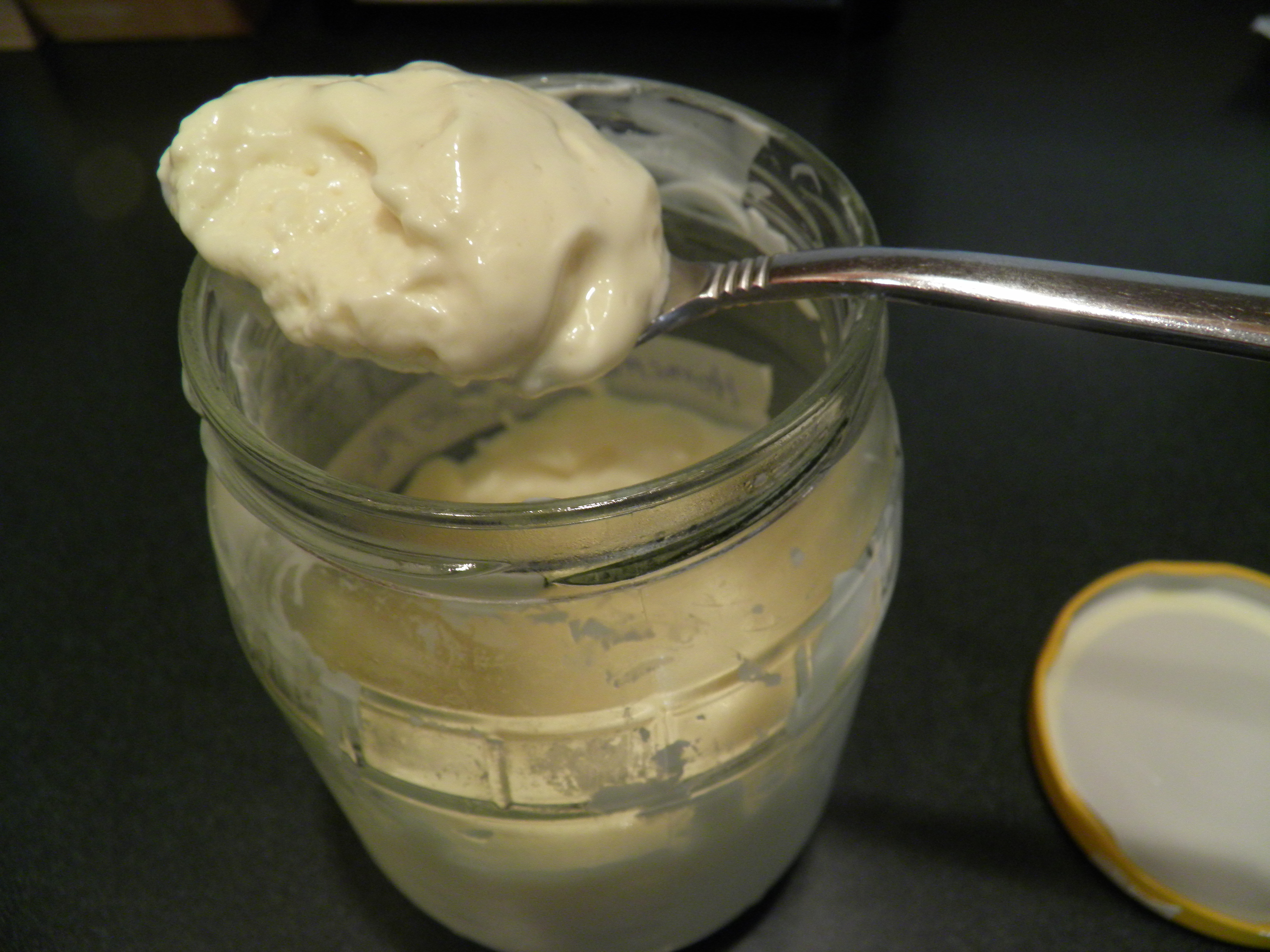
Put all the ingredients in the order listed into the vessel of your choice. Let the egg settle to the bottom of the vessel, then put your stick blender all the way to the bottom of the vessel and turn it on. You’ll see mayonnaise forming almost right away. Move the blender around and up and down a little to mix in all the oil. The entire process only takes about 30 seconds.

When all the oil has been mixed and your mayo is creamy white and thick, you’re done.

OLYMPUS DIGITAL CAMERA

Turn off the blender, remove it from the vessel, and scrape off all that lovely lusciousness. Your mayonnaise should last for several weeks in the fridge. Because it contains no preservatives, it will not last indefinitely like store bought mayonnaise. But that’s okay—it’s so easy to make, whenever you run out, a fresh batch is only 30 seconds away!

Notes: *Using raw eggs scares some people. There’s a process for pasteurizing eggs at home if you’re one of those folks. I just use the freshest eggs I can buy whenever I have a raw application, and I don’t worry about it. In this case, I think the combination of oil and acids in the vinegar (lemon or lime juice can also be used) and mustard, as well as the salt, makes for a pretty safe combination. And the addition of the **active culture yogurt is also said, according to some, to keep the mayonnaise fresh longer.  I found a recipe for coconut oil mayonnaise, not made with a stick blender, but which I would very much like to try with a stick blender, that uses Greek yogurt and whey. Whey is simply what drains from the yogurt and contains the lactobacilli which make milk into yogurt, so adding active culture yogurt has the same effect.  ***For oil, you can use any light-tasting oil: extra-light olive oil, grapeseed oil, avocado oil, walnut oil. Strongly flavored oils, like extra virgin olive oil, may cause your mayo to be too strongly flavored.  I stay away from canola oil because it is one of the commercial crops sprayed with glyphosate herbicides.

I now have about 1 ½ cups of avocado oil mayonnaise so good I can’t decide exactly what I’m going to do with it. Sandwiches, of course, maybe some tuna salad or egg salad. Homemade buttermilk salad dressing? Potato salad? How about a little mayo mixed with some lemon juice and lemon zest as a sauce for steamed broccoli or asparagus, or perhaps a dip for artichokes? I am going to have some fun!

Standard
Canning, Main dishes, Recipes

Spicy Braised Chicken Thighs with Coconut Milk and Tomato Apple Chutney

Sometimes, I just like to play in the kitchen.  This dish is a result of some play after long abstinence following shoulder surgery.  It turned out so well, I just had to share it.

Spicy Braised Chicken Thighs with Coconut Milk and Tomato Apple Chutney

1 can light coconut milk

6-8 chicken thighs

1 tablespoon refined coconut oil*

Spice Mixture

Blend together the following:

1/8 teaspoon ground coriander

1/8 teaspoon hot smoked paprika

1/8 teaspoon turmeric

1/2 teaspoon curry powder**

1/8 teaspoon garlic powder

1/8 teaspoon onion powder

1/8 teaspoon celery salt

1/8 teaspoon African pepper*** (cayenne is fine)

1/8 teaspoon black pepper

Heat 1 tablespoon of refined (so it won’t burn) coconut oil in a Dutch oven. Rinse chicken thighs and pat dry. Sprinkle and rub the spice mixture liberally over both sides of the chicken (you may have some left over). Place chicken skin side down in Dutch oven and brown skin until very crisp, but don’t burn the spices. Turn thighs and brown other side. Quite a bit of fat will render from the skin.

OLYMPUS DIGITAL CAMERA

Remove chicken from pan, pour off fat. (Lower fat version: remove skin from chicken thighs before browning in coconut oil. There should be no need then to pour off fat from pan, since the coconut oil is healthy.) Pour 1 can of light coconut milk into Dutch oven, heat to boiling, stirring up the spices from the bottom of the pan. Place chicken back into pan, cover with lid, and braise in 375 degree oven for 75-90 minutes, or until chicken is tender enough to pull away from the bone with a fork.

OLYMPUS DIGITAL CAMERA

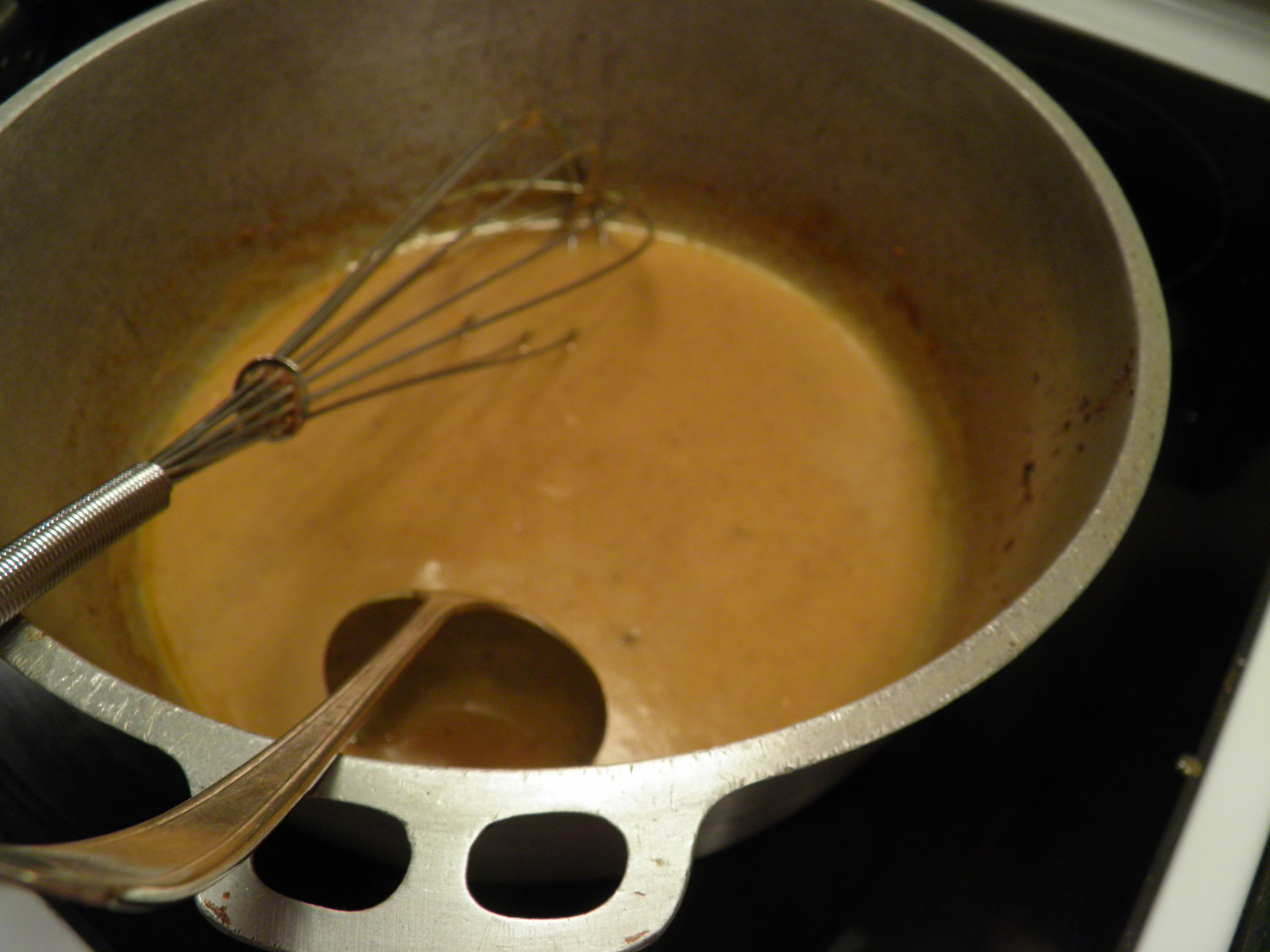
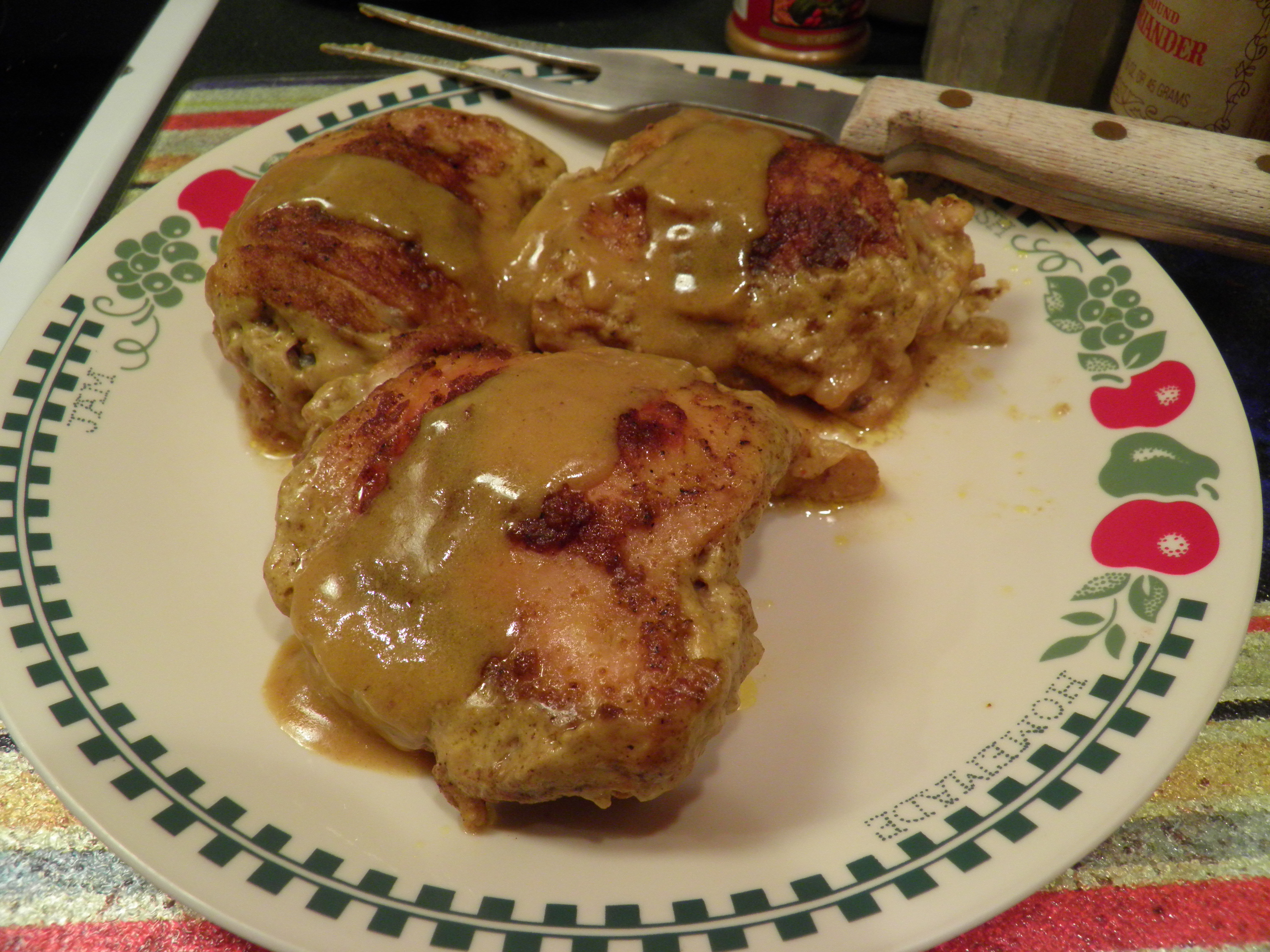
Remove chicken from pan. Stir 1-2 tablespoons of flour (I use brown rice flour) into pan juices. Whisk over medium heat until boiling. Boil and stir one minute to thicken sauce. Serve sauce over chicken thighs.

OLYMPUS DIGITAL CAMERA OLYMPUS DIGITAL CAMERA

As you can see from the pictures, I only had 3 chicken thighs, and there was enough sauce for several more thighs.  I wish I’d had more!  I served this with red quinoa instead of the traditional rice, with a good dollop of the tomato-apple chutney I made last fall on the side.

OLYMPUS DIGITAL CAMERA

We also had kale with Canadian bacon and onion, one of Dennis’s favorite vegetable dishes.  Dennis was over the moon! He’s been getting pretty tired of his own cooking since my shoulder surgery in early December.

Notes: *Use refined coconut oil to brown the chicken because you’ll use a relatively high heat, and unrefined coconut oil burns too easily.  You can of course use vegetable oil, canola oil, olive oil, or any other fat you like.  I just like the health benefits of cooking with coconut oil whenever I can.  **If you have a good curry powder or paste, you probably don’t need all the extra ingredients I added to the spice mix, but boy, it sure was good! I just used an inexpensive, all-purpose curry powder from the supermarket. ***My African pepper was given to me by my Nigerian co-mother-in-law, Theresa. She buys the hot red peppers in the market in Kaduna, cooks them, dries them in the sun, and then grinds them to powder. It is hot, but with great flavor. I love it, and I use it in everything. Cayenne is an acceptable alternative. It adds just a little heat, and of course, you can add more of any flavor you particularly like.

OLYMPUS DIGITAL CAMERA


Standard
Gluten-free, Recipes

Hot “Cereal”

OLYMPUS DIGITAL CAMERA

It is officially winter now, and in many parts of the country, outside temperatures reflect the season.  It’s time, then, for a reminder of a grain-free, gluten- free “granola” that can also be ground in the food processor for a high-protein porridge.  Mmmm, I do love a bowl of hot “cereal” on cold mornings.  For this versatile recipe, which can be eaten either hot or cold, and which also makes an excellent trail mix, please click here.

Standard
Fermenting, Recipes, Uncategorized

Ginger Ale Update

I’ve got a new batch of homemade ginger ale fermenting.  In the past year, I have been learning more about ferments in general and about making homemade ginger ale in particular.  I still use the Sweeter Ginger Ale recipe below, but in contrast to the recipe and method I started with, I have learned that an open ferment produces better, bigger bubbles more quickly.

Therefore, the ginger ale mixture should be placed in a large bottle or jar and the top covered with a breathable fabric cover or coffee filter, and secured with a rubber band.  If conditions are warm, the ale will ferment within 48 hours.  When large bubbles appear, the ginger ale can be strained and bottled tightly for a second fermentation.  This is what produces a truly bubbly ginger ale, the second fermentation in an airtight bottle. The Sweeter Ginger Ale recipe below provides enough sugar for a viable second fermentation where others do not.

Generally, a 24-48 hour second fermentation in warm conditions is sufficient to produce good carbonation.  After small bubbles appear in the capped bottles during the second fermentation, the bottles should be chilled and stored in the refrigerator.  Care should be taken in opening the bottles.  They may foam over, so they should always be opened over the sink, or over a bowl if you wish to catch the overflow.

Sweeter Ginger Ale

(makes about 2 1/2 quarts finished ginger ale)

Simmer together for 5 minutes:

2 cups water

2 tablespoons minced ginger

1 cup raw sugar

1/2 teaspoon sea salt

Cool mixture.  Add:

5 cups cool water

1/4 cup lemon or lime juice

1/2 cup ginger bug (follow link for directions for making and maintaining your ginger bug)

Mix well and pour off into large jug or jar, cover with breathable fabric or coffee filter, and secure with rubber band.  Let sit in warm place for 2-3 days or until large, yeasty-looking bubbles form.  Strain and bottle in bale-top type bottles or other bottles with air-tight caps.  Ferment again in warm place for 24-48 hours, or until carbonated.  Chill before drinking.

My previous post about ginger ale, called Science Experiment, details the progression and development of this recipe and technique, and also tells how to make, feed, and store a ginger bug, which is the base ferment for ginger ale.  However, I recommend following the above procedure for making ginger ale.  It’s a wonderful holiday drink, and a great digestive after a large meal.  If you wish, you can allow your ginger ale to ferment longer for an alcoholic content and champagne-like bubbles, but beware opening the bottles!


Standard
Desserts, Recipes, Uncategorized

Reprise: Christmas Cookies

OLYMPUS DIGITAL CAMERA

I’m making Christmas cookies with my grandkids on Monday.  For a recipe for good gingerbread people or gingerbread edible ornaments, and a wonderful sugar cookie recipe with a long history of use, please click here.

Standard
Main dishes, Recipes, Uncategorized

Meatloaf, Meatballs, and Variations

As some of you know, I’m recovering from shoulder surgery and don’t have much use of my right hand and arm for the next few weeks. I’m planning to do some reblogging during that time, highlighting previous recipes appropriate for the season. But a discussion on a friend’s page last week prompted me to jot down quickly my meatloaf recipe for you. Why? Because it’s different from any other meatloaf recipe I’ve ever seen in one key ingredient, and I want to share that with you so that you can make delicious, moist, fiber-rich and lower carb meatloaf and meatballs. For the rationale behind the use of this key ingredient, I’ve included the link to a previous post about sausage-stuffed acorn squash, which uses a variation on meatloaf. Rather than beef or turkey burger, this recipe uses ground breakfast sausage, and it is a delicious, easy, and attractive main dish. This previous post explains why I use oat bran rather than bread crumbs, cracker crumbs, or oatmeal as the binder in my meatloaf and meatballs. Here is my regular meatloaf recipe. If you want to make meatballs, this mixture works beautifully in that application; directions are at the end of this post.

Moist Meat Loaf

Serves 4

1 lb. ground meat  (beef, turkey, bison, venison—all are good)

½ cup chopped onions

1 seeded, chopped jalapeno or serrano pepper or ¼ teaspoon red pepper flakes (optional)

2 cloves garlic, chopped

1 large or extra-large egg, lightly beaten

¼ cup milk

½ cup oat bran (secret ingredient!)

2 tablespoons dehydrated veggie flakes (optional)

¼ teaspoon salt (or more to your taste)

¼ teaspoon black pepper (or more to your taste)

1-3 teaspoons crushed dried oregano (I like lots of herbage)

1-3 teaspoons crushed dried parsley

Olive oil

Saute onions, peppers, and garlic in a tablespoon or two of olive oil until tender.  Set aside to cool.  In a medium sized bowl, gently mix ground meat, egg, milk, oat bran, herbs, and seasonings.  Mix in sautéed vegetables. Press gently into bottom of bowl.

If I am using a fatty meat, I like to cook my meatloaf on a rack so that the fat drains off the meat as it roasts. If you are using a ground beef with 10% or less fat content, you don’t need to use a rack. But for 80/20 or 70/30 grinds (ratio of lean meat to fat), a rack should be used. Line a 13 X 9 inch cake pan or a cookie sheet with foil for easier clean-up later and place rack over top. Spray with cooking spray or grease with vegetable shortening or oil to prevent meatloaf from sticking to rack or foil. If you are using a lean meat, you can place the meatloaf directly on the foil-lined pan. Do not ever cook a meatloaf in a loaf pan. The meat does not roast when confined in a loaf pan and both texture and flavor will be affected negatively.

Turn bowl upside down over rack or pan and unmold meatloaf. If you are using a rack, leave the meatloaf in this mound shape. If you try to form it into a loaf on the rack, you will have sticking issues when you try to serve it. The mound shape produces a variety of lengths when sliced, which works out fine for families with small children or those with smaller appetites. If you unmound the meatloaf onto a greased, foil-lined pan, you can mold it into the traditional loaf shape.

Some people like to add a sauce to the top of the meatloaf at this point, traditionally, ketchup. I prefer not to add a sauce until the top of the meatloaf has browned. I think this produces better flavor, so I add my sauce or glaze in the last 15-20 minutes of cooking. And I’ve come up with a delicious glaze that is way better than plain ketchup. See below.

Bake uncovered for 60 to 75 minutes at 375 degrees, or until meat juices run clear.

Glaze

¼ cup ketchup

¼ cup spicy brown mustard

2 tablespoons Worchestershire sauce

1 tablespoon maple syrup

Mix together.  Brush on meat in last 15-20 minutes of cooking time.

For meat balls:

Form meat mixture into 1 ½ inch balls. Place on foil-lined cookie sheet and roast at 375 degrees for 20-30 minutes, or until browned. Remove from oven and finish cooking in a pot of Italian Red Sauce. Meatballs in sauce can be served alone or tossed with cooked pasta of your choice.


Standard